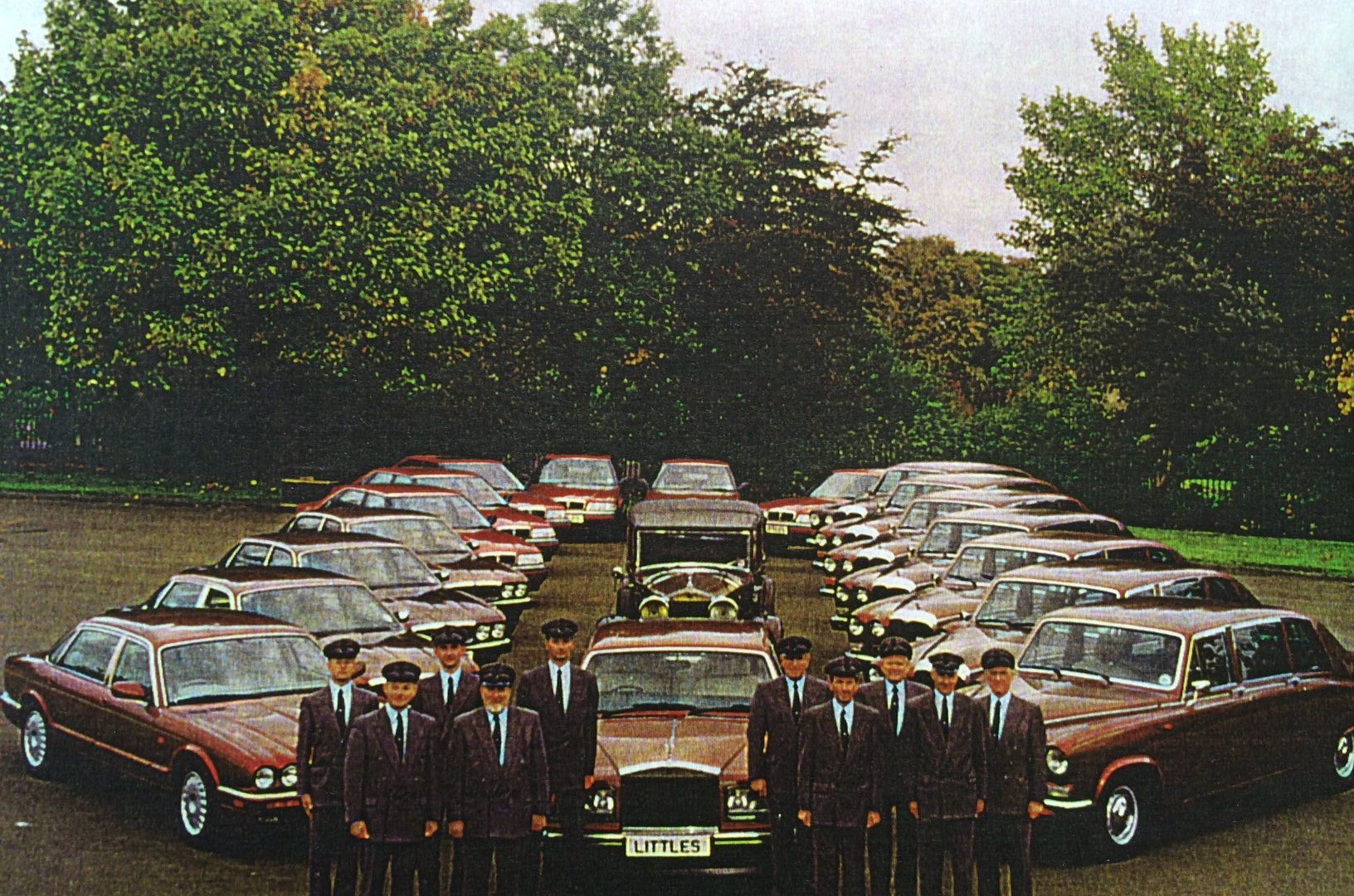
Then & Now: How Chauffeur Travel Has Changed Since 1966
16/10/2026
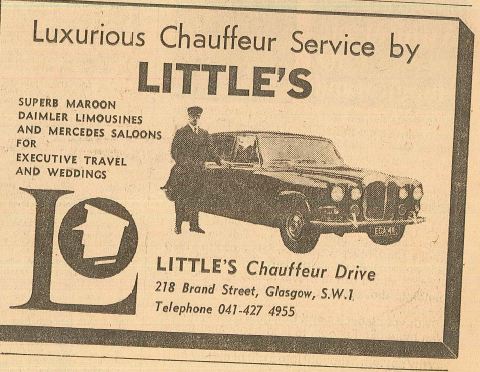
From paper maps and handwritten diaries to luxury vehicles and digital technology, chauffeur travel has changed dramatically over the last six decades.
Since Little’s was founded in 1966, we’ve seen first-hand how the industry has evolved. The tools, vehicles and systems we rely on today would have been almost unimaginable in our early years. Yet while the way we work has changed, the essence of professional chauffeur service has remained remarkably consistent.
As we celebrate our 60th anniversary, we’re looking back at how both Little’s and the chauffeur industry have developed over the years, and why providing a great chauffeur service has always been about much more than simply driving.
What Makes a Chauffeur Different?
The word chauffeur is often used interchangeably with driver, but there’s an important distinction between the two.
A driver takes passengers from one destination to another. A chauffeur’s role extends much further. Professional chauffeurs are responsible for planning journeys, preparing vehicles, understanding client requirements and ensuring every aspect of the experience runs smoothly.
Discretion, professionalism, punctuality, local knowledge and attention to detail have always been central to the role. Whether assisting a corporate traveller with a demanding schedule or guiding visitors as they explore Scotland, a chauffeur’s responsibility is to make the journey effortless for the client.
At Little’s, that understanding of chauffeur service has remained consistent throughout our 60-year history. While the vehicles, technology and systems we use today would have been unrecognisable in 1966, the principles behind great chauffeur service remain much the same.
Where It All Began
When George and Mike Wills purchased a three-car taxi business from George Little in 1966, the day-to-day running of the company looked very different from today.
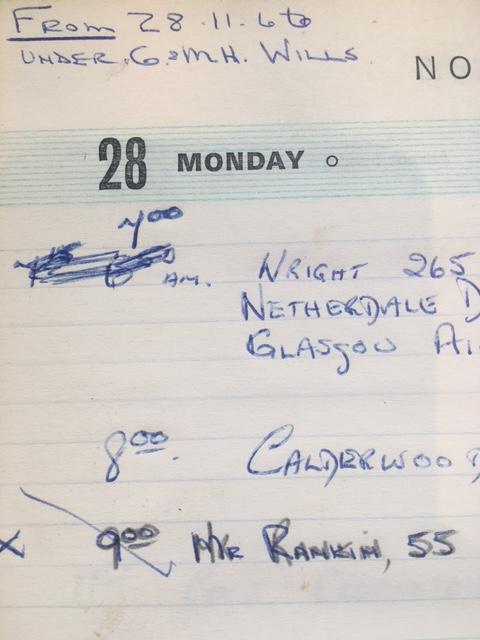
Bookings were taken over the telephone, with fax machines later becoming an important method of communication. A full-year diary sat at the heart of the operation, with every booking carefully handwritten in pencil so amendments could be made when plans changed.
Job sheets were typed manually, and organisation relied on meticulous record keeping and attention to detail long before digital booking systems and live updates, making sure everything was in place for a journey required careful preparation behind the scenes.
Planning routes was equally hands-on. Large paper maps displayed on the office wall were used to calculate distances, determine mileage and work out journey costs. Without satellite navigation, chauffeurs relied on route planning, local knowledge and experience of the roads ahead.
Today, technology has transformed many of these processes. Routes can be adjusted instantly, information shared in real time and bookings managed digitally. Yet the principle remains unchanged: every successful journey begins long before the vehicle arrives.
Keeping Connected Through the Years
One of the biggest changes we’ve witnessed has been the way we communicate with our chauffeurs.
Long before mobile phones became an everyday necessity, each chauffeur carried their own pager and individual number. The system had a simple but important distinction: one page meant calling the office at the first opportunity, while two pages meant finding a telephone immediately because something required urgent attention.
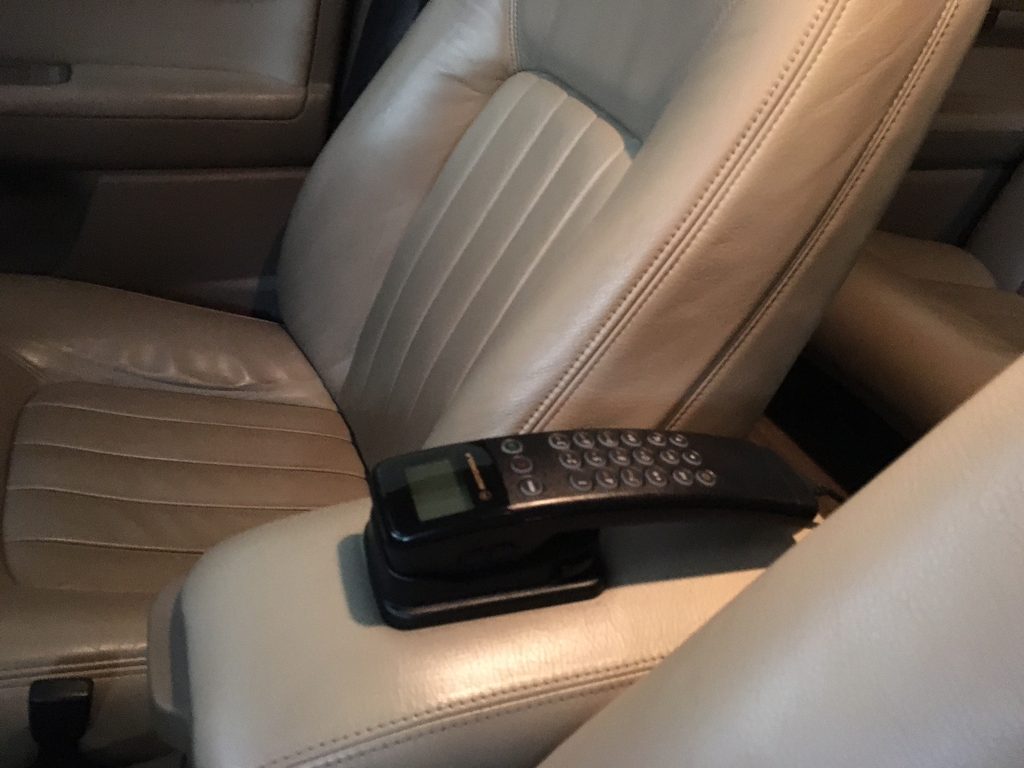
Later came fixed telephones installed within vehicles, allowing chauffeurs and the office to stay in touch more easily while on the road. At the time, it felt revolutionary.
Today, communication is instant. Mobile devices, email and digital journey management systems allow information to be shared in real time, whether that’s an adjustment to a flight arrival, a last-minute change of venue or an update to an itinerary.
While the methods have changed, the objective remains the same as it was in 1966: ensuring every journey runs smoothly and every client feels looked after.
How Chauffeur Travel Has Changed
The chauffeur industry has evolved significantly over the last six decades.
In Little’s early years, most journeys were relatively straightforward. Airport transfers, local business travel and private hire formed the core of the work. Today, chauffeurs support a much broader range of travel requirements, from complex corporate roadshows and executive travel programmes to luxury tours and bespoke itineraries throughout Scotland.
The vehicles themselves have changed beyond recognition. Modern luxury vehicles offer levels of comfort, safety and technology that would have been difficult to imagine in the 1960s. Navigation systems, climate-controlled interiors and advanced safety features have transformed the passenger experience.
Yet despite these advances, technology remains a tool rather than a replacement for experience. Understanding a client’s preferences, anticipating challenges and adapting to changing circumstances are qualities that cannot be automated.
Six Decades of Growth
When the Wills brothers purchased George Little’s three-car taxi business in 1966, they laid the foundations for what would become Little’s Chauffeur Drive.
in 1966, a journey to Glasgow Airport cost £1. Adjusted for inflation, that’s roughly £24-£26 in today’s money
As demand grew, so did the company. More vehicles joined the fleet, new premises were required and the services we offered expanded to meet changing client expectations. Alongside that growth came new technology, new systems and new ways of working.
While much has changed, growth has never been solely about increasing the size of the business. It has been about continually improving the experience we provide and ensuring clients receive the highest standards of service, whatever their journey may involve.
The Details That Make the Difference
A chauffeur’s role is not simply to transport passengers safely from A to B. It is about creating an experience that feels effortless.
For business travellers, that may mean understanding a demanding schedule, allowing extra time for meetings or adapting quickly when plans change. For visitors exploring Scotland, it may involve sharing local knowledge, suggesting a hidden gem along the route or helping create a memorable day beyond the planned itinerary.
Many of the qualities that define excellent chauffeur service today are the same qualities that mattered sixty years ago: professionalism, discretion, reliability and attention to detail.
These are often the things clients remember most.
What Hasn’t Changed
Although technology has transformed many aspects of day-to-day operations, some traditions have remained unchanged throughout Little’s history.
We’ve always answered the telephone within three rings. It’s a simple standard, but one that reflects our belief that service begins from the very first interaction.
The importance of preparation has never changed either. Every successful journey still relies on careful planning behind the scenes, whether that’s checking routes, monitoring travel schedules or anticipating a client’s individual requirements. albeit with very different resources.
And just as it was in 1966, no two days are ever quite the same. Every booking has its own challenges and opportunities, which is one of the reasons the profession continues to be so rewarding.
Looking Ahead
As we celebrate 60 years of Little’s, we’re proud to look back on how far both our business and the wider chauffeur industry have come.
From handwritten diaries and wall-mounted maps to modern fleets and digital technology, the tools we use today would be almost unrecognisable to those who started the business in 1966.
Yet the principles that define excellent chauffeur service have stood the test of time.
Professionalism. Reliability. Attention to detail. A commitment to putting clients first.
The industry will continue to evolve, bringing new technology, new vehicles and new ways of travelling. We’ll continue to embrace those changes while remaining true to the values that have guided Little’s for six decades.
Because being a chauffeur has never simply been about driving.
It’s about preparation, knowledge, professionalism and service. Sixty years on, those qualities remain at the heart of every journey we undertake.
Latest News
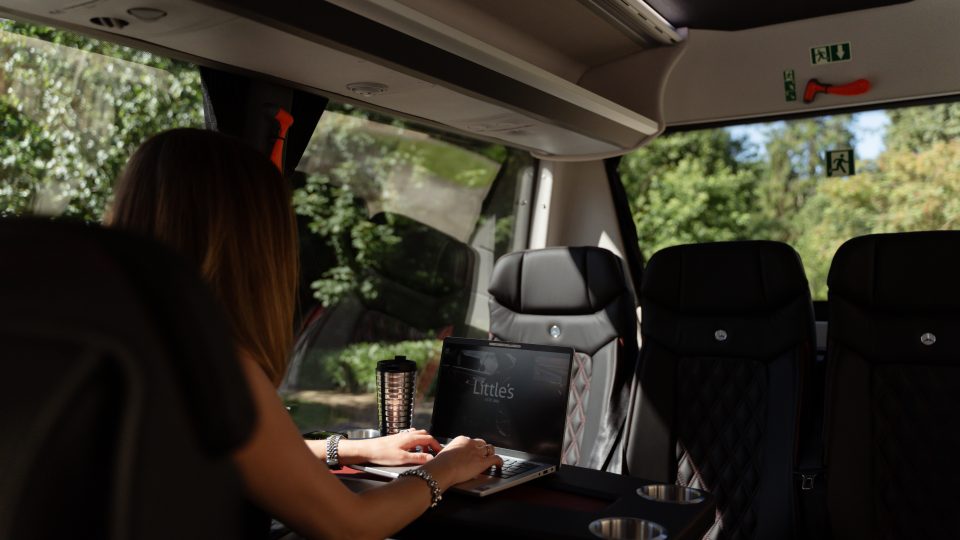
Roadshow Chauffeur Services: Frequently Asked Questions
Discover how Little's supports roadshows of all sizes, from executive meetings and site visits to multi-city business itineraries. Learn how our experienced team helps keep schedules running smoothly, even when plans change.
Read More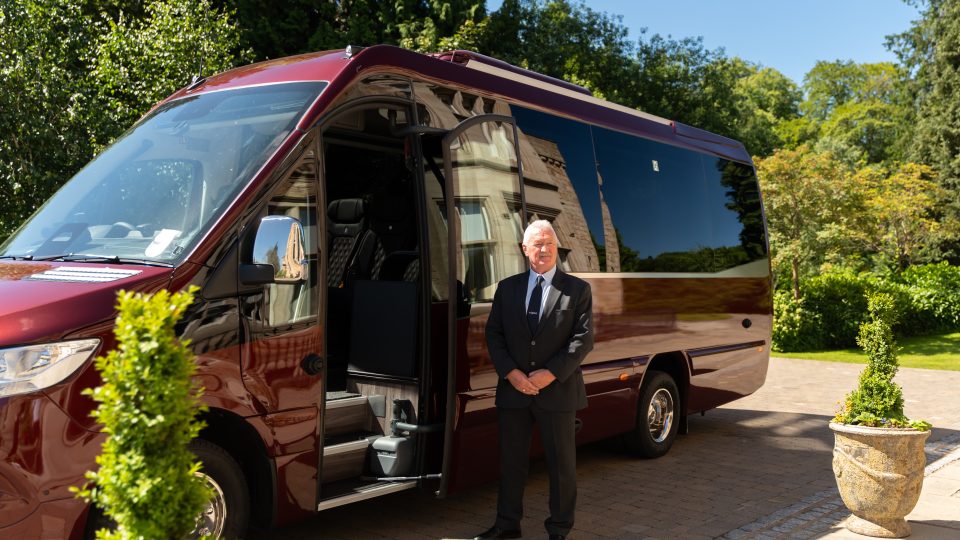
Grand Tourer Sprinter FAQs
We've answered some of the most common questions about the Mercedes-Benz Grand Tourer Sprinter, including seating, luggage capacity, onboard facilities and booking options.
Read More
What’s New in Scottish Hospitality: Hotels, Restaurants and Refurbishments
From landmark hotel refurbishments to exciting new restaurant openings, Scotland's hospitality scene is continuing to evolve. We've rounded up some of the destinations currently making their mark, including standout hotels, acclaimed dining spots and fresh additions worth adding to your list.
Read More