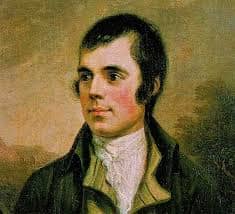
Following Robert Burns: Scotland’s Bard by Road
25/01/2026
Scotland’s landscapes have long inspired poets, storytellers and travellers, but few figures are as deeply woven into the nation’s identity as Robert Burns. More than two centuries after his birth, Burns’ words still echo through the country’s towns, rivers and rolling countryside. To follow his story is to experience Scotland at its most heartfelt and authentic.
Here are some of the key places across Scotland connected with the life and work of Robert Burns, many of which can still be visited today.
Alloway, where it all began
“The best laid schemes o’ Mice an’ Men / Gang aft agley.”
To a Mouse (1785)
Any journey into the life of Robert Burns must begin in Alloway, Ayrshire, where he was born in 1759. Burns Cottage, preserved much as it would have been in his childhood, offers a glimpse into his early life and humble beginnings. Nearby, the Burns Museum brings together manuscripts, artefacts and exhibitions that trace his rise from farmer’s son to literary icon.
Brig O’Doon
“Now, do thy speedy utmost, Meg,
And win the key-stane o’ the brig;”
Tam o’ Shanter, 1790
One of Scotland’s most famous literary landmarks, the Brig o’ Doon is immortalised in Tam o’ Shanter as the site of Tam’s dramatic escape from witches and ghouls. Today, the bridge remains instantly recognisable and so iconic it has even featured on a Scottish £5 note. It is a must-see stop for anyone exploring Burns Country. When visiting the bridge, why not stop at the nearby Brig o’Doon House Hotel for a coffee or refreshment while taking in the views of the River Doon.
Alloway Auld Kirk
“When, glimmering thro’ the groaning trees,
Kirk-Alloway seem’d in a bleeze;”
Tam o’ Shanter, 1790
Alloway Auld Kirk also appears in Tam o’ Shanter, marking the moment Tam first glimpses the witches’ gathering. The kirk has personal significance too: Burns’ father, William Burnes, is buried here, and Burns himself wrote the inscription for his gravestone.
The Globe Inn
During his later years in Dumfries, Burns was a regular at The Globe Inn, frequenting it right up until his death in 1796 at just 37 years old. The inn remains a living connection to Burns, where visitors can imagine the conversations, music, and camaraderie that shaped his final years.
The Burns House Museum
Burns House Museum is located in Dumfries and was the poet’s final home. Here, visitors can explore rooms furnished with original items and gain insight into Burns’ life, literary output, and enduring legacy during his last years.
Ellisland Museum and Farm
Set beside the River Nith, Ellisland Farm was home to Burns and his wife, Jean Armour, during one of his most productive periods. Here, he penned many of his best-known works, including Auld Lang Syne. The peaceful rural setting, largely unchanged since Burns’ day, gives visitors a real sense of the landscape that inspired his poetry.
St. Michael’s Churchyard
Burns is buried in a grand mausoleum at St Michael’s Churchyard, a place of pilgrimage for admirers from around the world. It is a fitting final resting place for Scotland’s national poet.
Bachelors’ Club
The Bachelors’ Club is a 17th-century house in Tarbolton, Ayrshire, where Burns learned to dance and co-founded a debating society. Now cared for by the National Trust for Scotland, it reflects Burns’ love of learning, conversation and social life.
‘Tam O’Shanter’ Chair, Palace of Holyroodhouse
The Tam o’ Shanter Chair, housed at the Palace of Holyroodhouse in Edinburgh, is traditionally believed to have been used by Robert Burns during his visits to the capital. Decorated with scenes from Tam o’ Shanter, the chair reflects Burns’ popularity during his lifetime and the lasting cultural impact of his work. Today, it stands as a unique literary artefact within one of Scotland’s most historic royal residences.
Exploring Burns-related places across Scotland helps show how much his writing was shaped by where he lived and worked. It’s a simple but rewarding way to connect his poetry to the real places behind it.
Happy Burns Night!
Latest News
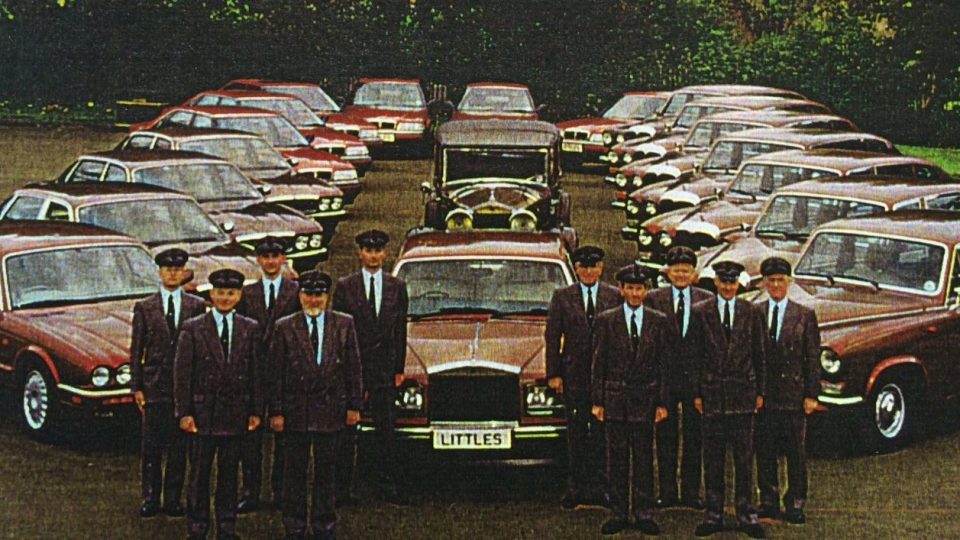
Then & Now: How Chauffeur Travel Has Changed Since 1966
From handwritten diaries and paper maps to luxury vehicles and real-time communication, chauffeur travel has transformed dramatically since 1966. As Little's celebrates 60 years in business, we look back at how the industry has evolved and why great chauffeur service has always been about much more than driving.
Read More
Roadshow Chauffeur Services: Frequently Asked Questions
Discover how Little's supports roadshows of all sizes, from executive meetings and site visits to multi-city business itineraries. Learn how our experienced team helps keep schedules running smoothly, even when plans change.
Read More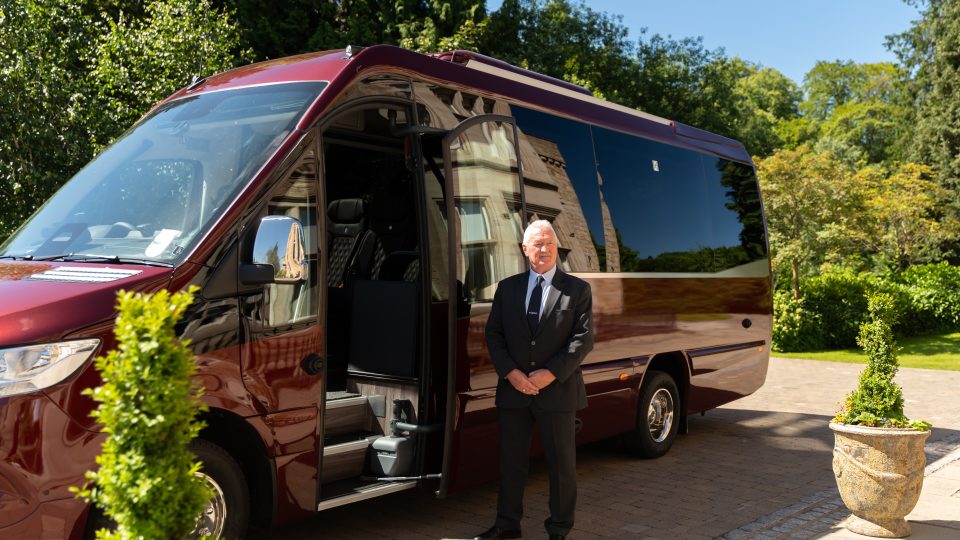
Grand Tourer Sprinter FAQs
We've answered some of the most common questions about the Mercedes-Benz Grand Tourer Sprinter, including seating, luggage capacity, onboard facilities and booking options.
Read More